Key highlights:
- An Ethereum sandwich bot lost more than $7.5 million after a sophisticated attack targeted its MEV trading strategy.
- The incident highlights the growing risks facing automated bots competing for profits in Ethereum’s increasingly crowded MEV ecosystem.
- The loss comes as MEV activity remains a major contributor to Ethereum network revenue and block-building competition.
The hunter becomes the hunted
A prominent Ethereum-based “sandwich bot” has lost more than $7.5 million after falling victim to an exploit that turned one of crypto’s most controversial trading strategies against itself.
jaredfromsubway.eth — the bot behind 70% of Ethereum sandwich attacks — just got sandwiched out of $7.5M.
The attacker just fed the bot fake trades and let greed do the rest. 🥪💀
Full breakdown: https://t.co/shZWE0XLYk
— Laura Shin (@laurashin) June 22, 2026
According to on-chain analysts, the attacker successfully manipulated the bot’s execution logic, causing it to execute a series of highly unprofitable transactions. Within seconds, millions of dollars that would normally be used to capture arbitrage opportunities were drained from the bot’s wallet.
The exploit quickly became one of the most talked-about events in Ethereum’s MEV ecosystem, where sophisticated trading firms and automated bots compete for opportunities embedded within pending transactions.
What is a sandwich bot?
Sandwich bots are specialized automated traders that monitor Ethereum’s mempool for large transactions.
When an attractive trade appears, the bot places one transaction before the target trade and another immediately after it. The strategy allows the bot to profit from the price movement created by the original transaction.
The practice is commonly referred to as Maximum Extractable Value (MEV) and has become a major part of Ethereum’s trading ecosystem.
While supporters argue that MEV is simply another form of market making, critics contend that sandwich attacks often worsen execution prices for regular users.
Ironically, the latest incident shows that even some of the most sophisticated MEV operators remain vulnerable to exploitation themselves.
The exploit highlights growing competition in MEV
The attack comes as competition among Ethereum searchers continues intensifying.
Over the past several years, MEV has evolved into a multi-billion-dollar industry involving searchers, builders, relays, validators, and infrastructure providers. As profit opportunities have become more valuable, trading firms have invested heavily in increasingly complex algorithms designed to gain an edge.
That arms race has also created new attack surfaces.
Researchers note that bots operating at high speed often prioritize execution efficiency over security, leaving them exposed to unexpected edge cases and manipulation attempts.
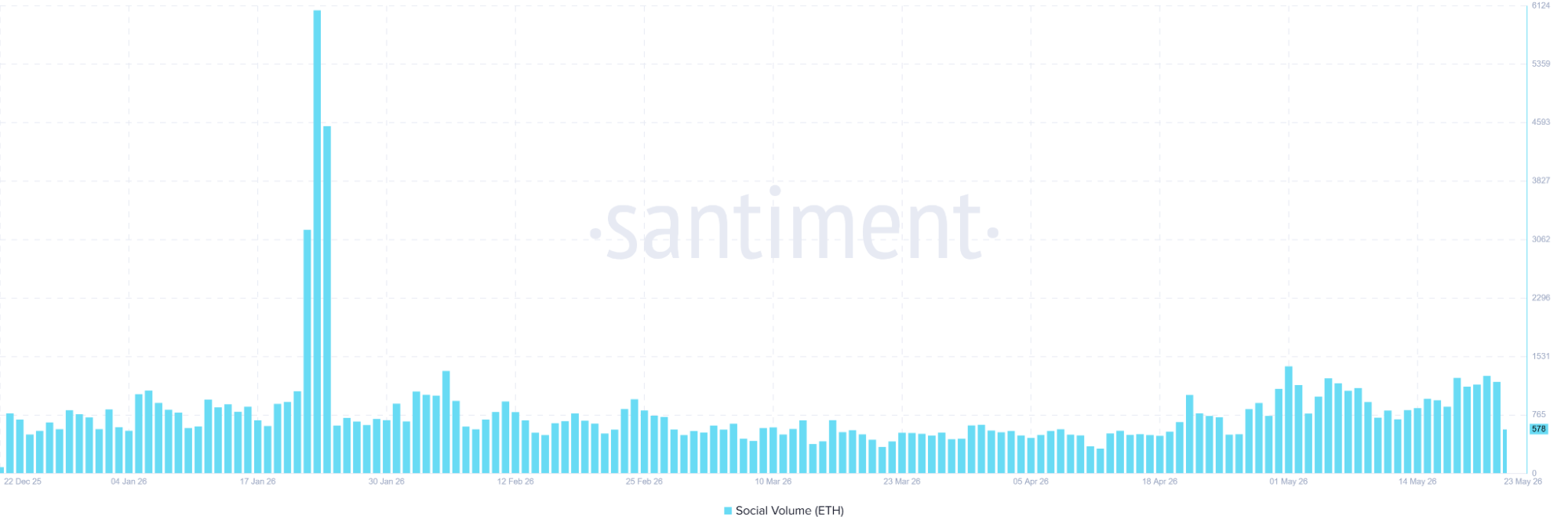
The latest exploit demonstrates how quickly vulnerabilities can be monetized in an environment where millions of dollars move between automated systems every day. The headline has made Ethereum today’s top trending token.
Why the incident matters for Ethereum
Beyond the headline loss, the event serves as a reminder of the risks embedded within automated on-chain trading.
MEV activity remains one of Ethereum’s defining features and continues generating significant economic activity across the network. At the same time, incidents like this highlight the increasingly adversarial nature of blockchain markets, where sophisticated participants constantly search for weaknesses in competing strategies.
The exploit is unlikely to have a meaningful impact on Ethereum itself, but it could influence how future MEV systems are designed.
Developers and trading firms may place greater emphasis on security audits, simulation testing, and risk controls as the value flowing through automated trading infrastructure continues to grow.
Source:: Ethereum Sandwich Bot Loses $7.5M in Seconds After Costly MEV Exploit