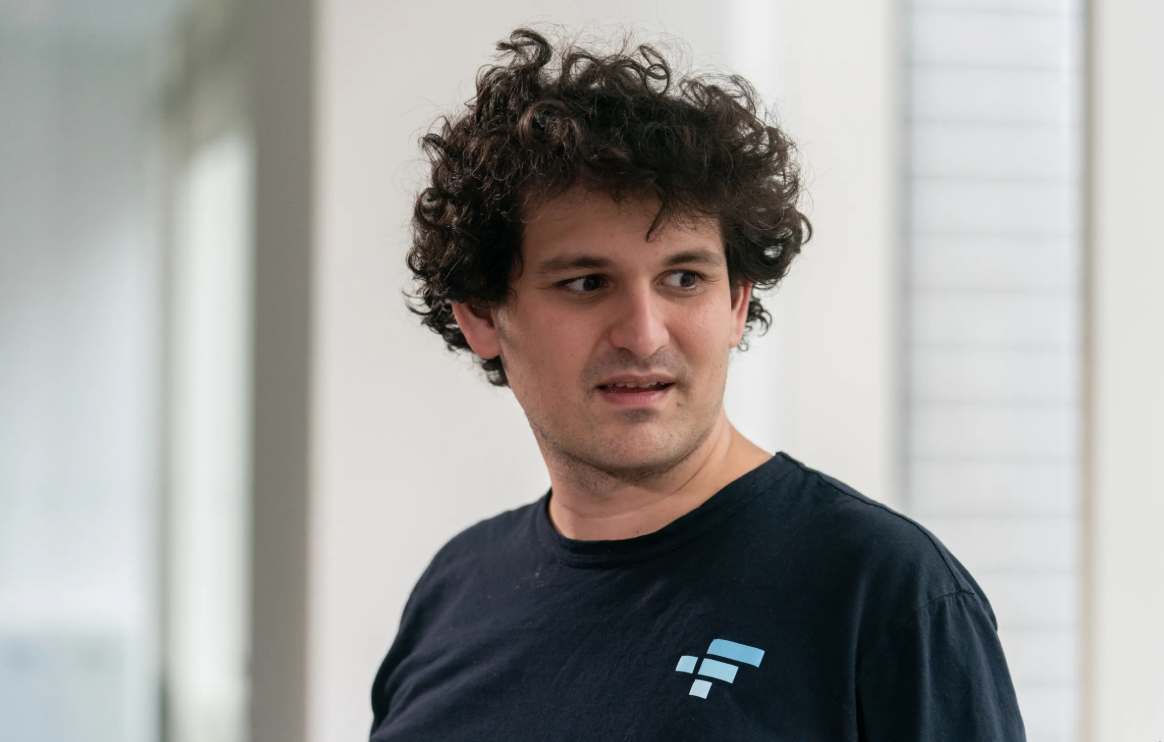
One of the strangest stories in modern finance starts with a man convicted of stealing customer funds and ends with a startup portfolio that, on paper, looks almost unbelievable.
Sam Bankman-Fried helped drive FTX into collapse. Yet some of his early private bets later turned into massive paper winners.
This isn’t a defense of what happened at FTX. Sam Bankman-Fried’s investments are separate from what he did at FTX.
This is a look at the math behind the “what if.” If the big winners had stayed intact, later valuations for Anthropic, Cursor, and a handful of other holdings suggest the upside could have crossed $100 billion.
Why Sam Bankman-Fried’s venture portfolio looks smarter in hindsight
Venture investing always looks cleaner in reverse. Once the winners are obvious, early checks can seem like genius.
The role of timing, luck, and early access in startup investing
Startup returns depend on getting in before a company becomes famous. That’s the whole trick. By the time everyone wants in, most of the upside is already gone.
Before FTX imploded, Bankman-Fried had money, buzz, and access. Founders took meetings. Funds opened doors. He was part of the small crowd that got to see promising companies before they became household names in tech circles.
It means he had a shot at deals most investors never even hear about. In private markets, being early matters a lot.
Why one huge winner can outweigh many smaller misses
Venture math is weird if you’re used to public stocks. You don’t need ten perfect picks. You need one monster hit.
One huge startup winner can make an entire portfolio look legendary.
That’s why this story sounds so outsized. A few ordinary or failed bets barely matter if one company explodes in value. Anthropic looks like that kind of winner. Cursor looks like another. Once those numbers balloon, the misses fade into the background.
The biggest winners in Sam Bankman-Fried’s portfolio
These are the (approximate) holdings that make the most impact:
| Investment | Reported entry | Later paper value | Why it mattered |
| Anthropic | About $500 million | Up to about $80 billion in aggressive estimates | Main driver |
| Cursor | About $200,000 | About $3 billion at a $60 billion valuation | Tiny check, huge return |
| Other holdings | SpaceX, Robinhood, Solana exposure | Added major upside | Helped push the total higher |
Anthropic did most of the heavy lifting. Cursor added the jaw-drop factor. The rest turned a giant total into an even bigger one.
Anthropic, the AI bet that could have been worth about $80 billion
The biggest swing came from Anthropic. Reports have said FTX and Alameda put about $500 million into the company early, and some later write-ups used an original ownership figure around 13.5%.
That’s where the giant number comes from. If you apply that kind of stake to much richer later marks during the AI frenzy, the paper value can stretch toward $80 billion. In that version of the math, one half-billion-dollar investment turns into something like a 160x return.
Even if you use lower estimates, the gain still looks huge. Anthropic became one of the clearest beneficiaries of the AI race, and early ownership in a company like that can turn a bold check into a staggering one.
Cursor, the tiny check that became a giant payday
Cursor is the opposite kind of story. Anthropic was a big swing. Cursor was a tiny seed that grew into a giant tree.
One report says Alameda put about $200,000 into Cursor’s parent company in 2022 for roughly 5%. Cursor makes an AI coding tool for developers, and its rise turned that small early stake into an eye-popping asset. With SpaceX recently acquiring Cursor for $60 billion, the 5% stake would have been worth $3 billion.
SpaceX, Robinhood, and Solana helped push the total even higher
Anthropic and Cursor weren’t alone. Other holdings also added weight.
There was indirect exposure to SpaceX through K5 Global. There were Robinhood shares. There was Solana, which became one of the biggest names in crypto after surviving the post-FTX wreckage. None of those pieces appear to be the main reason the total climbs toward $100 billion, but they play their part.
What the $100 billion headline really means
The big number is real in one sense and slippery in another. It describes a possible paper value, not a vault full of spendable cash.
Paper wealth is not the same as money in the bank
Private company stakes are hard to sell. They come with lockups, limited buyers, legal restrictions, and valuation swings. A headline number is a snapshot, not a cashier’s check.
Some of these estimates also assume the original stakes stayed intact, or at least stayed close to their original size. In real life, ownership gets diluted. Bankruptcy sales happen. Markets cool off. A hot private valuation can rise fast and fall fast.
A $100 billion portfolio on paper is not the same thing as $100 billion in cash.
FTX’s collapse changed everything. The customers and creditors didn’t get to sit back and wait for every bet to mature at peak value.
The bottom line
Sam Bankman-Fried will be remembered first for FTX, fraud, and prison. But the other part of the record is also important – his early bets on Anthropic, Cursor, and a few other companies were timed with eerie precision.
The result is one of the wildest paper fortunes never fully realized. A man tied to massive destruction also left behind a $100 billion what-if, and that contradiction may be the most unforgettable number in the whole saga.
FAQ
What were SBF investments worth on paper?
SBF investments could have been worth tens of billions of dollars on paper if the biggest private holdings stayed intact. The largest driver was Anthropic, while smaller bets like Cursor added even more upside.
What was the size of Sam Bankman-Fried’s Cursor investment?
Sam Bankman-Fried Cursor reportedly invested roughly $200,000 to acquire a 5% stake of Cursor’s parent company.
How much was the Sam Bankman-Fried Anthropic investment worth?
The Sam Bankman-Fried Anthropic investment is the biggest part of the story. FTX and Alameda reportedly invested about $500 million in Anthropic early on. Based on aggressive later valuation estimates, that stake could have been worth up to about $80 billion on paper.
What was Sam Bankman-Fried’s net worth after these investments?
Sam Bankman-Fried net worth figures depend heavily on what you count. The $100 billion number is not a clean personal net worth figure. It’s a hypothetical paper value based on what certain venture holdings might have been worth if they were preserved, not sold, diluted, or tied up in bankruptcy.
Source:: Sam Bankman-Fried's Venture Investments: The Disgraced FTX CEO's Bets Would Have Netted $100 Billion