Key highlights:
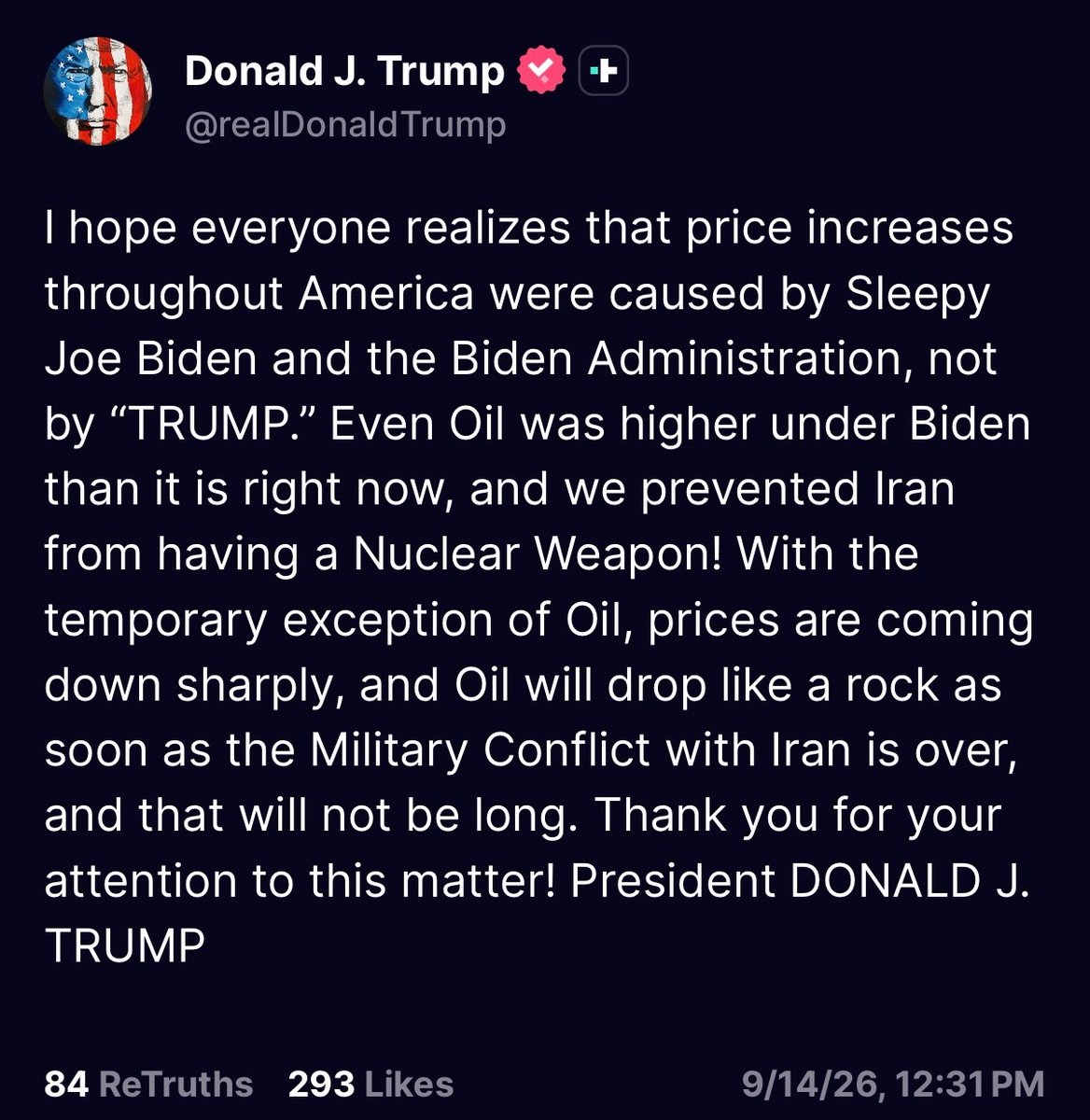
- Bitcoin slipped to ~$77,285 after failing to hold $79,000, as Trump suggested the Iran war ends post-midterms and oil “drops like a rock.”
- Elevated oil keeps inflation sticky and rate expectations high, weighing on risk assets, and a post-conflict drop could ease pressure and support Bitcoin and stocks.
- The oil-Bitcoin link runs through inflation and monetary policy: higher energy costs complicate Fed decisions, while geopolitical de-escalation could improve risk appetite across markets.
Bitcoin price slipped below $79,000 after briefly breaking above the level as traders assessed President Donald Trump’s latest comments on the Iran war and watched volatile oil prices for signs of easing geopolitical pressure.
He said the United States would pursue the “right deal” with Iran but claimed Tehran was repeatedly seeking peace talks, an assertion Iranian officials have previously rejected.
Trump also compared the situation with Iran to the U.S. approach to Venezuela, where Washington has sought greater control over the country’s oil resources.
“I think the war’s going to end immediately after the election,” Trump said earlier, arguing that Iran would eventually be unable to continue fighting.
Notably, Trump said gasoline prices would “drop like a rock” once the conflict ended.
His comments came as crude prices remained elevated after attacks and disruptions across the Middle East increased concerns about global supplies and transportation.
Oil has become one of the most closely watched links between the conflict and broader financial markets.
Brent crude briefly moved above $100 a barrel several times during the conflict, while disruptions around the Strait of Hormuz and attacks affecting regional energy infrastructure added another layer of uncertainty for traders.
On September 15, Brent crude futures were trading around $106.93 a barrel, up 1.18%, while West Texas Intermediate rose 1.24% to $102.65. In another recent session, WTI had traded at $103.37, while Brent reached $107.70.
The Middle East conflict is putting Bitcoin’s oil link to the test
Saudi Arabia has also faced pressure on its energy infrastructure, with a drone attack damaging the East-West pipeline and forcing the country to shut the route, according to the information provided.
The pipeline provides an alternative route for transporting Saudi crude without relying entirely on the Strait of Hormuz. Its closure has therefore added to supply concerns as tensions across the region continue to disrupt energy markets.
The conflict has involved Iranian missile and drone attacks, U.S. military operations against Iranian-linked targets, and attacks by the Iran-backed Houthi movement on Saudi targets, including energy facilities.
The developments have left traders watching for further disruptions that could reduce crude supplies to international markets.
The impact of the oil market on Bitcoin is largely tied to inflation, interest rates, and broader investor risk appetite. Higher energy prices can increase transportation and production costs, potentially keeping inflation elevated and complicating expectations for monetary policy.
That could weigh on risk-sensitive assets such as Bitcoin as investors adjust their positions.
The opposite could occur if tensions ease, as a reduction in geopolitical risk could lower the premium on crude, improve global supply expectations, and reduce inflationary pressure.
Trump has repeatedly said oil prices could fall sharply once the conflict ends, although the size and timing of any decline will depend on how the situation develops.
Source:: Bitcoin Falls Below $79K as Trump Says Iran War May End, Oil Prices Drop