Key highlights:
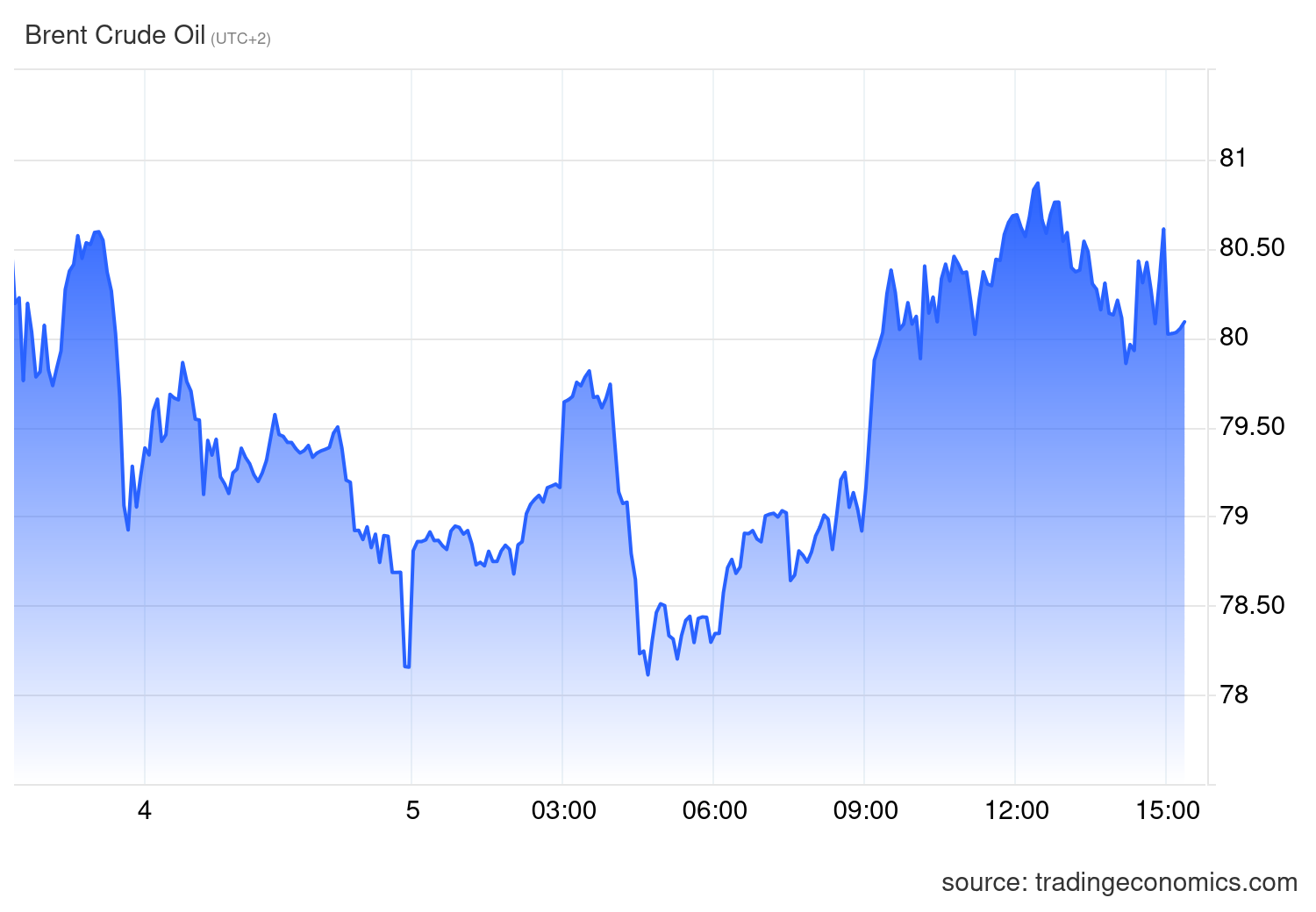
- Brent crude rose above $77 a barrel after Yemen’s Iran-backed Houthis claimed a missile strike on a Saudi oil tanker
- The attack undermined optimism that tensions in the Middle East could ease through a potential ceasefire agreement
- Traders are once again pricing in supply disruption risks after oil prices posted their steepest decline in weeks
Oil prices rebound as Red Sea attack renews supply fears
Oil prices edged higher on after Yemen’s Iran-backed
The move came after the Houthis said they targeted the tanker with a missile near the Saudi port of Yanbu, one of the kingdom’s major crude export hubs. The reported attack prompted investors to rebuild the geopolitical risk premium that had faded earlier this week.
Ceasefire optimism fades after latest escalation
The rebound in oil prices also reflected fading expectations for a near-term easing of tensions in the Middle East.
Markets had turned sharply lower on Tuesday after optimism grew that diplomatic efforts could lead to the reopening of key shipping routes. Treasury Secretary Scott Bessent said earlier this week that an agreement to secure commercial navigation through the Strait of Hormuz could be reached soon, helping send crude prices down roughly 6%.
However, the latest attack has cast doubt on those expectations, with traders reassessing the likelihood of a sustained ceasefire while hostilities continue in the region.
Strait of Hormuz remains in focus
Despite the renewed tensions, U.S. Central Command said late Tuesday that the southern route through the Strait of Hormuz remains open to commercial shipping.
The southern route through the Strait of Hormuz remains free and open for all commercial vessels seeking to transit the international waterway. Over the past three months, U.S. forces have assisted more than 1,000 vessels in successfully transiting the strait despite unwarranted… pic.twitter.com/TcszH0GimG
— U.S. Central Command (@CENTCOM) August 4, 2026
The waterway is one of the world’s most strategically important energy corridors, handling a significant share of global oil, natural gas, and refined product exports. Any disruption to traffic through the strait has the potential to tighten global supplies and trigger sharp price swings.
For now, shipping operations continue, but the latest attack underscores the fragile security environment surrounding one of the world’s busiest energy transit routes.
Markets remain highly sensitive to geopolitical developments
Oil traders are expected to remain focused on developments in the Middle East over the coming days.
While hopes for renewed negotiations had briefly shifted attention toward easing supply risks, Wednesday’s rebound highlights how quickly geopolitical events can reshape market sentiment.
Further attacks on energy infrastructure or commercial shipping could support another leg higher in crude prices, while any progress toward a broader ceasefire agreement may once again reduce the geopolitical premium currently supporting the market.
Source:: Oil Prices Rise After Houthi Strike on Saudi Tanker Dents Middle East Ceasefire Hopes