A digital asset can look active, trend on social media, and still be built to trap buyers. Rug pulls, honeypots, fake projects, and cryptocurrency scams can move very quickly. Wallet-draining links can compromise your crypto wallet before warning posts appear.
The best crypto scam trackers help you spot red flags before you buy. They can’t prove a token is safe, but they can expose risky code, blocked sells, weak liquidity, and suspicious wallet activity.
Here’s how the top seven tools compare by chain coverage, access, strengths, and limits.
Let’s dive in!
Quick list of the best crypto scam checkers
- Token Sniffer: Best for fast first-pass checks of token contracts and common scam patterns
- GoPlus Labs: Best for broad multi-chain security checks covering tokens, wallets, approvals, signatures, and dApps
- Honeypot.is: Best for testing whether an EVM token can actually be sold after you buy it
- De.Fi Scanner: Best for getting an easy-to-read second opinion on contract risks such as honeypots, taxes and ownership powers
- RugCheck: Best for analyzing Solana tokens, especially new launches, meme coins, holder concentration, and mint or freeze authorities
- Chainabuse: Best for researching reported scam wallets, phishing campaigns, fraudulent projects, and other known bad actors
- Etherscan and other blockchain explorers: Best for manually verifying scanner warnings using raw on-chain data
How crypto scam trackers spot rug pulls and other red flags
Automated scanners inspect a token’s contract code and on-chain behavior. They look for:
- Failed sells
- Excessive buy or sell taxes
- Blacklist functions
- Hidden owner powers
- Mint authority
- Proxy contracts
- Removed or concentrated liquidity in a liquidity pool
- Concentrated holders
These checks provide an automated risk screen, not a professional code audit. Wallet and address checkers take a different route. They look for suspicious approvals, risky signatures, known scam wallets, and links between addresses.
Reporting databases search for prior complaints. Blockchain explorers let you inspect the raw activity and blockchain data yourself.
A risk score is a starting point. A price chart alone can’t prove a : Best Solana DEX Platforms
Pros:
- Built around common Solana launch risks
- Helpful for checking authorities and holder concentration
- Practical for fast-moving meme coin research
Cons:
- Not the right choice for EVM token analysis
- A risk screen still needs on-chain confirmation
6. Chainabuse
Best for: researching reported scam wallets, phishing campaigns, fraudulent projects, and other known bad actors
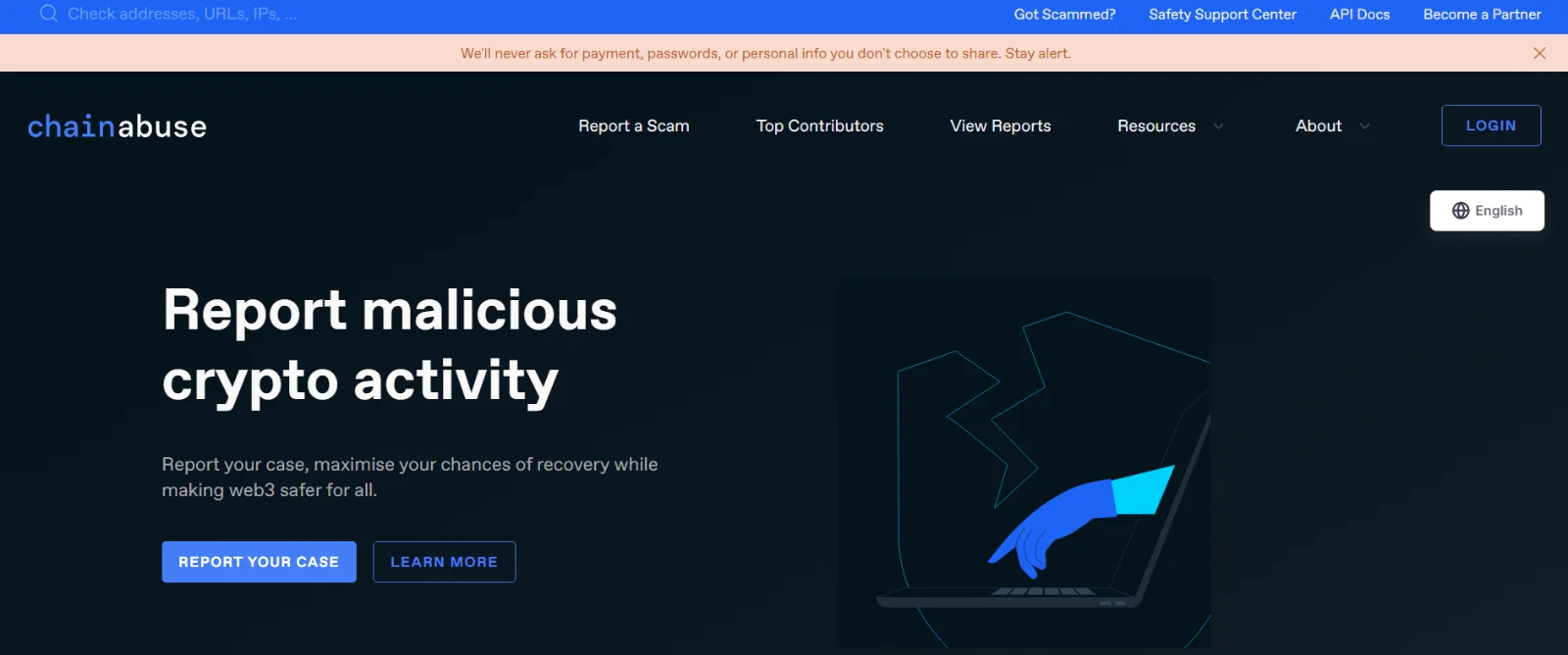
Chainabuse is a bit different. It’s a community scam-reporting and reputation database, not an automated contract detector.
Search a wallet, address, project, or repeated scam pattern. Reports may document phishing scams, romance scams, pig butchering scams, investment scams, ponzi schemes, and Bitcoin ATM scams.
They can reveal social engineering tactics used by cybercriminals and help document potential financial losses across networks. That context is useful when a token’s code looks normal but its promotion campaign feels wrong.
Reports can be incomplete, delayed, mistaken, or unverified. Recovery scams may target victims again by promising to retrieve lost funds.
For suspected fraud, consider the federal trade commission and other regulatory agencies as official reporting or consumer-protection resources. Try to avoid accusing a project based on one report. Compare the claim with explorer history and scanner results first.
Pros:
- Helps research reported scam addresses
- Useful for phishing and payment-scam investigations
- Adds reputation context beyond contract code
Cons:
- Community reports aren’t proof
- New scams may not have reports yet
7. Etherscan and Chain-Specific Blockchain Explorers
Best for: manually verifying scanner warnings using raw on-chain data
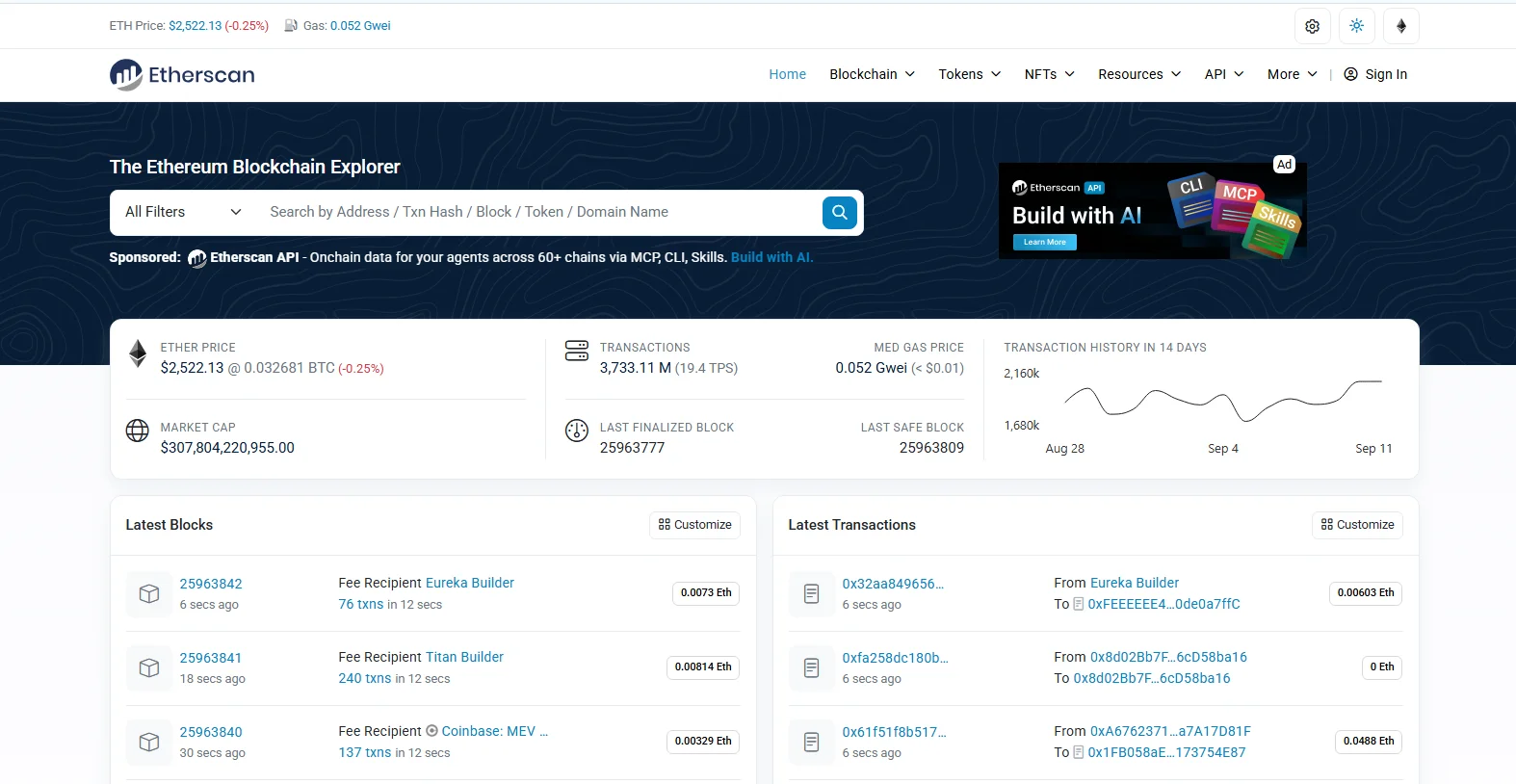
Etherscan is the manual verification layer for Ethereum. BscScan, Arbiscan, PolygonScan, and Solscan play similar roles on other networks.
Use an explorer to inspect blockchain data, including:
- Verified source code
- Contract ownership
- Proxy patterns
- Deployer history
- Holder lists
- Token transfers
- Liquidity movements
You can also review available read and write functions. This is slower than a scanner, but it gives you the evidence behind the warning.
Don’t interact with write functions unless you know exactly what they do. Never sign an unexpected wallet prompt or share your seed phrase because an explorer page asks you to connect.
Pros:
- Shows raw on-chain records
- Helps verify scanner findings
- Lets you inspect deployer and liquidity history
Cons:
- Doesn’t provide a simple scam score
- Requires patience and contract-reading skills
How to choose the right scam tracker for your situation
Start with the specific question you need answered.
- Use GoPlus for broad multi-chain token, wallet, and approval screening
- Use RugCheck for Solana launches
- Use Honeypot.is when you need to test whether an EVM token can be sold
- Token Sniffer and De.Fi Scanner are strong for fast contract warnings
- Use Chainabuse when you need reputation research
- Then use Etherscan or the relevant chain explorer to confirm the evidence
These tools support crypto asset trading research, but they can’t identify every risk across different digital assets and networks. A scanner result also can’t prove that an exchange is legitimate or rule out a fraudulent trading platform.
Before trusting any result, confirm the exact contract address and network. Read why a score was assigned. A green label without explanations isn’t enough. Frequent users should also compare free limits, API pricing, and rate limits before building a workflow around one platform.
A safer step-by-step workflow before buying a new token
Use the same process each time. It takes a few minutes and can save you from an expensive mistake.
- Copy the official contract address from a verified project channel, then confirm the network
- Run a token scan and read every risk flag, not only the final score
- Test buy and sell behavior when possible, then inspect taxes
- Check ownership, mint rights, proxy controls, liquidity, and holder concentration
- Search project names and related wallets for scam reports
- Review the team, product, site, and actual on-chain activity
- Use a small test amount only when the evidence looks acceptable
Phishing protection is also important. Never connect a crypto wallet through an unsolicited link. Verify domains character by character, watch for fake cryptocurrency websites and celebrity endorsement scams, avoid unlimited approvals, and never share a seed phrase or private keys.
Tools reduce risk. They don’t remove it.
The bottom line
The best crypto scam tracker depends on the chain and the risk you need to check. One score is never enough. Combine a contract scanner, a sellability test or authority check, explorer research, and reputation screening.
Verify every contract address. Protect your wallet approvals. And never invest more than you can afford to lose.
To be extra safe, check out our guide on:
Best Physical Crypto Wallets: The Top Ways to Secure Your Crypto
Frequently asked questions
Can a crypto scam checker guarantee that a token is safe?
No. Crypto scam checkers find known contract, wallet, liquidity, and behavior signals. They can’t protect your seed phrase or prevent every loss. A team can still drain liquidity, hide connected wallets, change contract settings, or launch through fresh addresses.
What is the best tool for checking a Solana token?
RugCheck is a strong first screen for Solana token structure and launch risk. Still confirm authorities, holder concentration, liquidity, and transaction history directly on-chain before buying.
What is the best way to detect an EVM honeypot?
Run a sellability test with Honeypot.is, then compare it with Token Sniffer, GoPlus, or De.Fi Scanner. A token that lets you buy but blocks selling is a serious warning sign.
Why do different scam trackers give different results?
Each tool uses different data sources, rules, simulations, update schedules, and risk thresholds. Compare the explanations behind each score, then verify important claims independently.
Should I report a suspected crypto scam?
Yes, if you have evidence. This can include ponzi schemes, recovery scams, rug pulls or cases involving a Bitcoin ATM. Services such as Chainabuse can help document suspicious addresses or projects.
Source:: The 7 Best Crypto Scam Trackers to Detect Rug Pulls and More